Pakistan's denim sector has evolved from a volume-driven commodity play into one of the most technically advanced and sustainability-conscious production bases in the global textile landscape. With annual denim fabric exports exceeding USD 1.2 billion and garment exports adding another USD 800 million, the country now accounts for roughly 8 percent of global denim trade. For international buyers evaluating their 2026 sourcing strategy, Pakistan offers a combination of raw-material integration, manufacturing depth, and cost competitiveness that few origins can match.
Pakistan's Position in the Global Denim Supply Chain
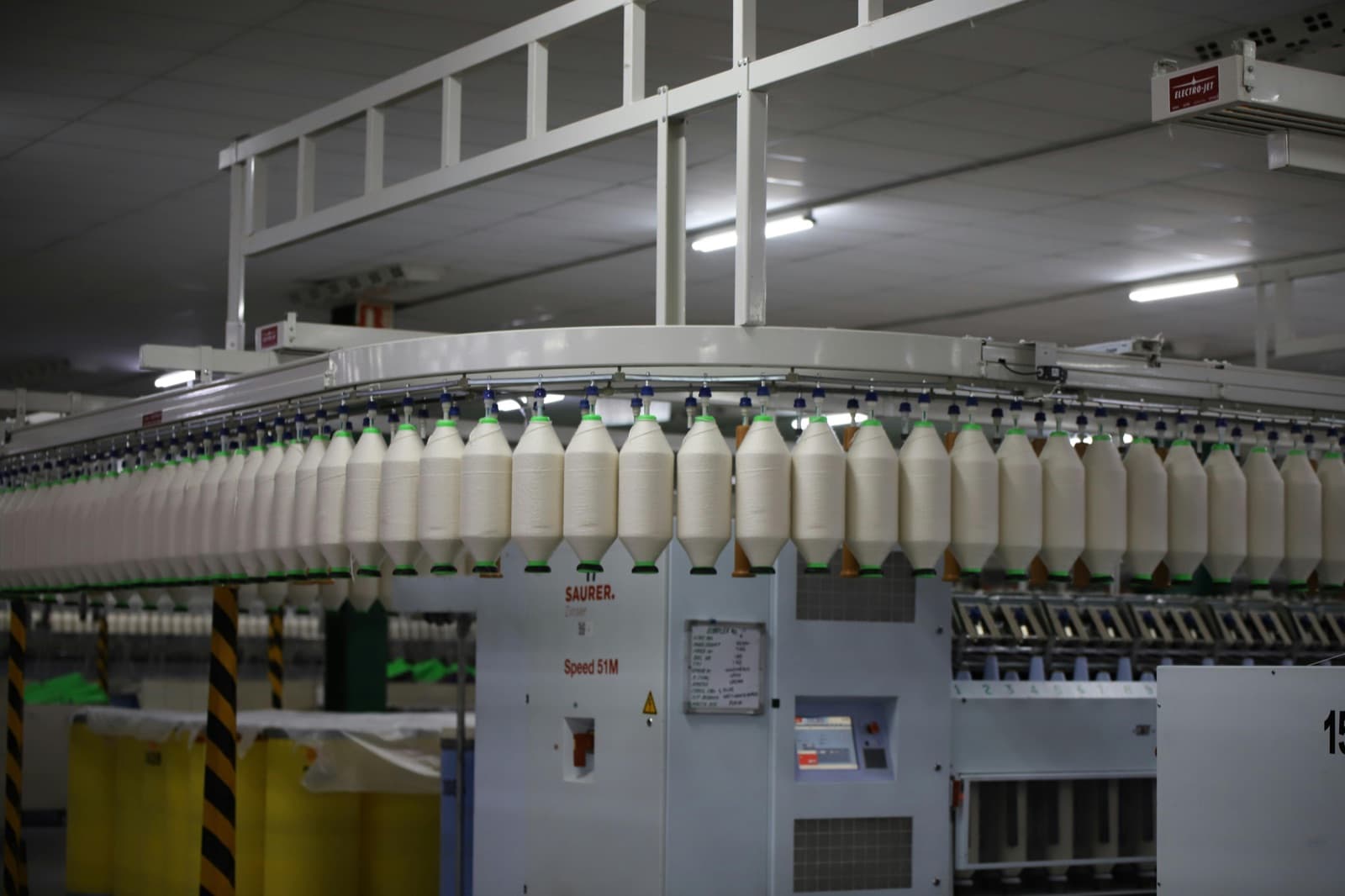
Pakistan is the world's fourth-largest cotton producer and the fourth-largest exporter of denim fabric and finished denim garments, trailing only China, Bangladesh, and Turkey. What distinguishes Pakistan from competing origins is vertical integration. Several of the country's leading denim groups operate the full chain from cotton ginning through spinning, weaving, dyeing, finishing, and garment manufacturing under a single corporate umbrella. This integration gives buyers a single point of accountability for quality and compliance while compressing lead times by eliminating handoffs between independent suppliers.
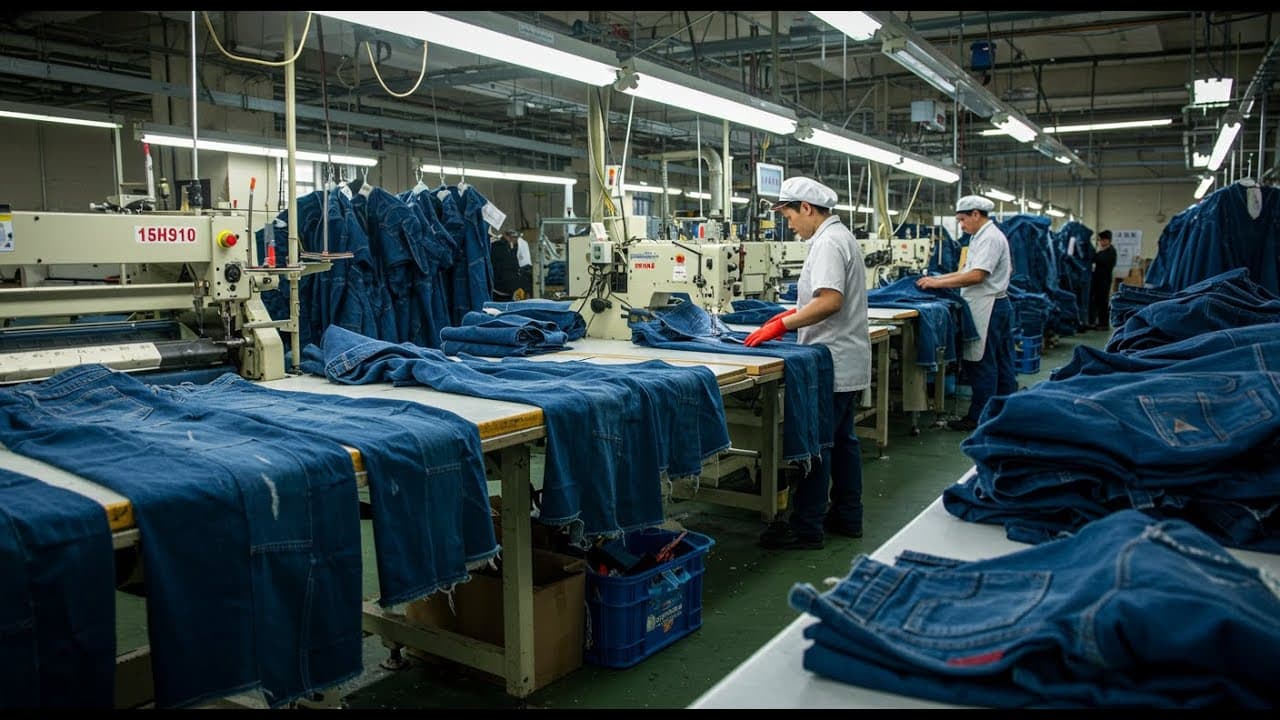
The two primary production hubs are Lahore and Faisalabad. Lahore hosts the headquarters and finishing operations of major vertically integrated groups, while Faisalabad, often called the Manchester of Pakistan, is home to the highest concentration of spinning and weaving capacity. Karachi serves as the export gateway, and Sialkot contributes a growing cluster of denim garment stitching units. Together, these hubs offer buyers access to a broad range of product types from rigid selvedge denim to high-stretch comfort fabrics.
Sustainable Denim: From Niche to Norm
The most significant shift in Pakistan's denim industry over the past three years has been the rapid adoption of sustainable production practices. Driven by European regulatory requirements and brand mandates, Pakistani mills have invested heavily in reducing the environmental footprint of denim manufacturing.
Key sustainability trends shaping the sector in 2026 include:
- Recycled fiber integration: Leading mills now offer denim fabrics containing 20 to 40 percent post-consumer recycled cotton, blended with conventional or organic cotton. Some producers have commercialized fabrics with up to 50 percent recycled content without compromising hand feel or durability.
- Laser finishing replacing chemical washes: Laser technology has moved from a premium option to a standard capability across Tier 1 and Tier 2 manufacturers. Laser finishing reduces water consumption in the laundry phase by up to 70 percent and eliminates the need for potassium permanganate, one of the most problematic chemicals in conventional denim finishing.
- Waterless and low-water dyeing: Foam dyeing, nano-bubble technology, and nitrogen-based indigo reduction systems are being adopted at commercial scale, cutting water usage in the dyeing stage by 50 to 90 percent compared with conventional rope dyeing.
- ZDHC MRSL compliance: A growing number of Pakistani denim mills have achieved ZDHC Gateway Level 1 or Level 2 status, meaning their chemical inventories meet the Manufacturing Restricted Substances List. This is a prerequisite for supplying most European and North American brands.
These investments are not purely defensive. Pakistani producers report that sustainability-certified denim commands a price premium of 5 to 15 percent over conventional equivalents, improving margins in what has historically been a thin-margin business.
Production Innovation and Technical Capabilities
Beyond sustainability, Pakistan's denim mills are competing on technical innovation. The product development capabilities of the top ten mills now rival those of Japanese and Italian denim houses. Key areas of innovation include:
- Performance stretch fabrics: Dual-core and tri-blend stretch constructions that deliver 40 to 60 percent stretch with excellent recovery, targeting the athleisure and comfort-fit segments.
- Coated and laminated denims: Wax-coated, resin-finished, and membrane-laminated denims for outerwear and fashion applications.
- Knit denim: Circular-knit fabrics engineered to replicate the appearance of woven denim while offering superior comfort and lower production costs. This segment has grown at 25 percent annually since 2023.
- Heritage and selvedge: Small-batch selvedge denim produced on vintage shuttle looms, targeting premium denim brands in Japan, the United States, and Europe.
Importantly, Pakistani mills have also shortened their development cycles. Where sampling once took four to six weeks, most leading producers now deliver development samples within two to three weeks, with production-ready approval samples following within an additional ten days.
Opportunities for European and US Buyers
For buyers in Europe and North America, Pakistan's denim sector presents specific opportunities in 2026. The EU's Generalized Scheme of Preferences Plus (GSP+) arrangement grants Pakistani textiles duty-free access to the European Union, a significant cost advantage over competing origins like Turkey (no preferential access for most denim categories) and China (standard MFN duties). For US buyers, while Pakistan does not benefit from a preferential trade agreement, the cost differential versus Chinese production, combined with de-risking strategies that seek to reduce China dependency, makes Pakistan an attractive diversification option.
Buyers looking to enter or expand their Pakistan denim sourcing should focus on the following actions:
- Request sustainability scorecards and ZDHC Gateway status from prospective suppliers before engaging in sampling.
- Plan factory visits to both Lahore and Faisalabad to assess the full range of capabilities across vertically integrated and specialized units.
- Engage a Pakistan-based buying house to manage supplier qualification, quality assurance, and logistics coordination, particularly if this is a new sourcing origin.
- Build in lead times of 90 to 120 days for first orders, recognizing that subsequent orders can typically be fulfilled in 60 to 75 days once production routines are established.
Pakistan's denim industry is no longer defined solely by competitive pricing. It is increasingly defined by technical innovation, sustainability credentials, and supply chain maturity. International buyers who invest in building long-term relationships with Pakistani denim manufacturers in 2026 will be well positioned to benefit as the industry continues its upward trajectory.