Pakistan is the world's largest exporter of bed linen and among the top three suppliers of towels, kitchen textiles, and cotton home furnishings. The country's home textile exports exceeded USD 5.5 billion in the 2024-25 fiscal year, with the European Union, the United States, and the United Kingdom accounting for more than 70 percent of demand. For international buyers, sourcing home textiles from Pakistan offers a rare combination of vertically integrated production, premium long-staple cotton, and pricing that remains 15 to 25 percent below comparable Turkish or Indian products. However, realizing these advantages requires a disciplined approach to supplier qualification, quality management, and logistics planning.
Why Pakistan for Home Textiles
Pakistan's competitive position in home textiles rests on three structural advantages that are difficult for competing origins to replicate.
Cotton self-sufficiency: Pakistan is the world's fourth-largest cotton producer, with an annual output of approximately 6 to 8 million bales. The domestic availability of raw cotton, including prized long-staple varieties, gives Pakistani mills direct access to their primary input without the foreign exchange exposure and logistics costs that mills in Bangladesh or Vietnam face when importing cotton.
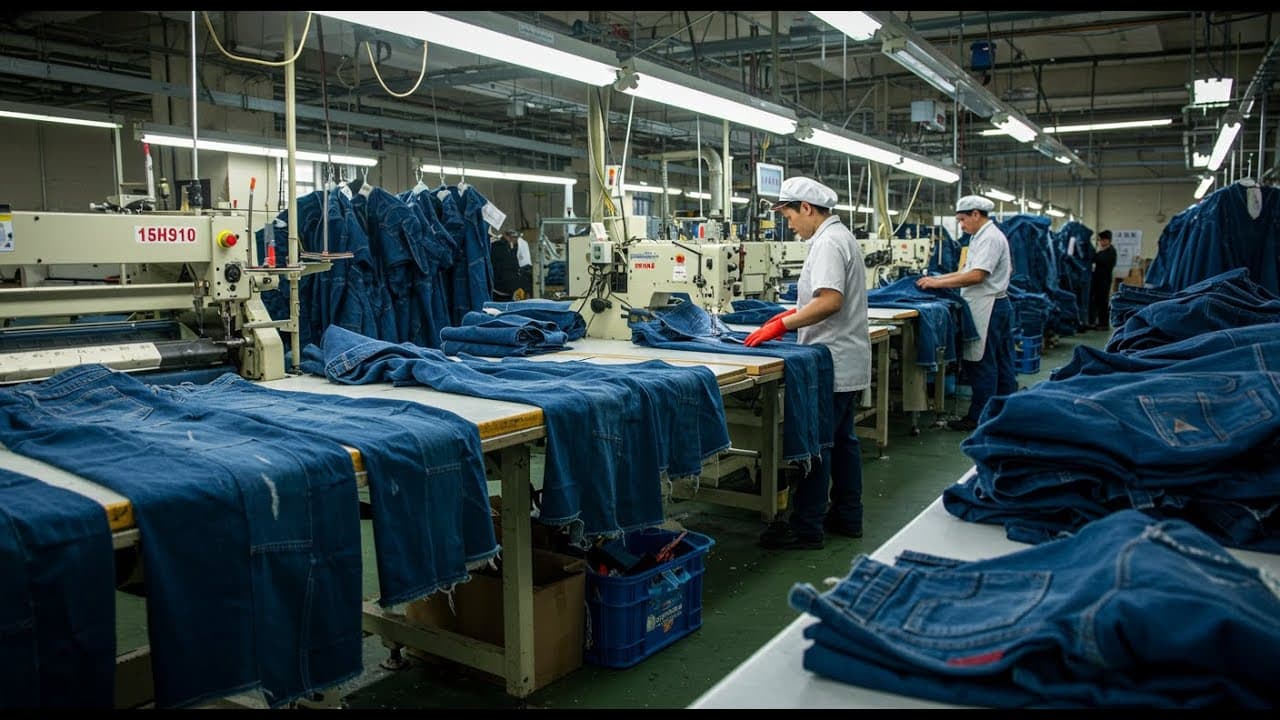
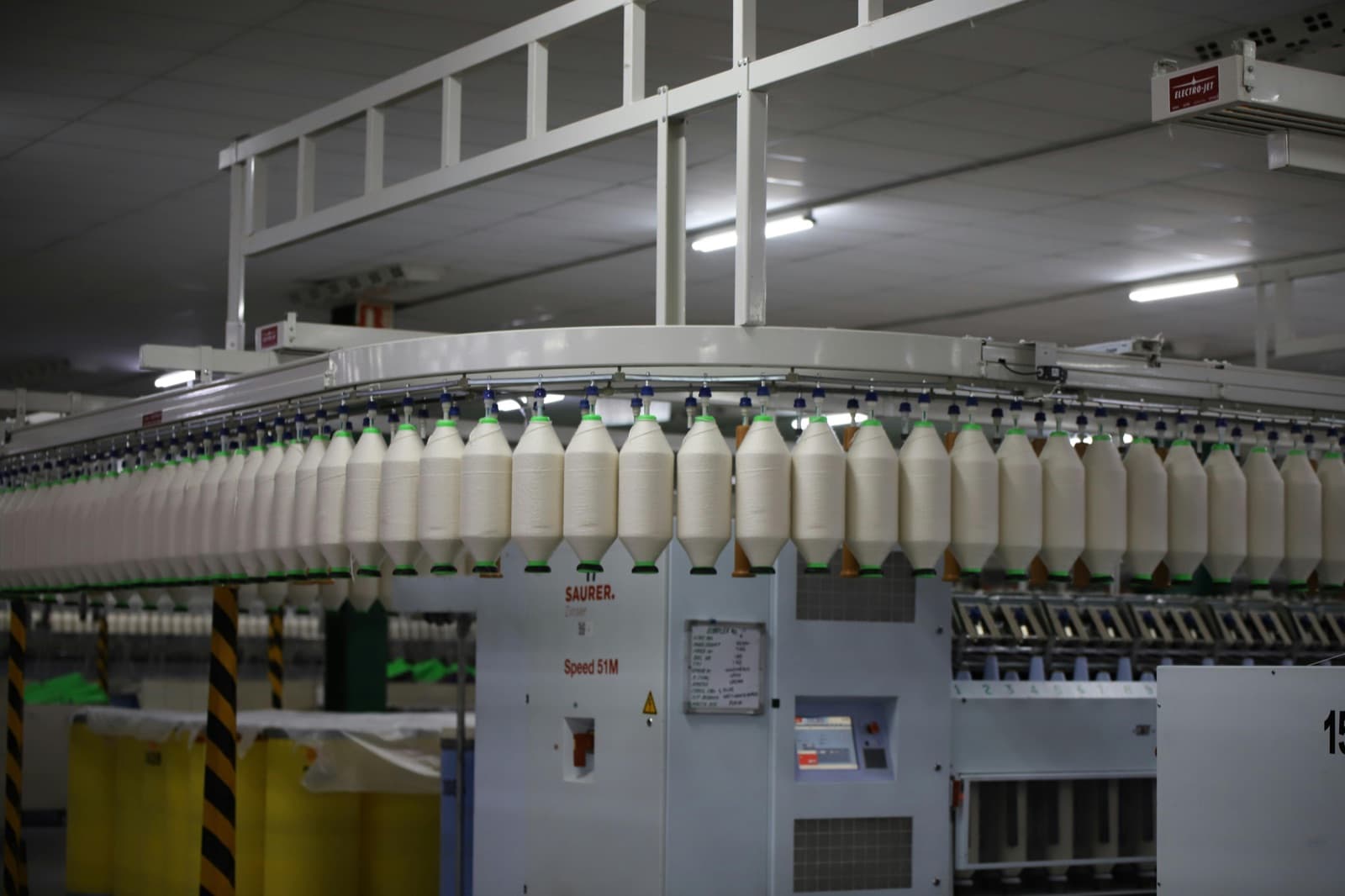
Vertical integration: The largest home textile exporters in Pakistan, including groups based in Faisalabad, Lahore, and Karachi, operate fully integrated operations encompassing spinning, weaving, dyeing, printing, finishing, and made-up manufacturing. This integration means a single supplier can deliver finished products from raw cotton, enabling tighter quality control and shorter lead times.
GSP+ access to the EU: Under the Generalized Scheme of Preferences Plus, Pakistani home textiles enter the European Union at zero duty. This provides a significant landed-cost advantage over Turkey, China, and India, all of which face standard import duties on most home textile categories.
Key Product Categories and Quality Standards
Pakistan's home textile export basket spans a wide range of product categories. The most significant by export value are:
- Bed linen: Flat sheets, fitted sheets, duvet covers, and pillowcases in percale, sateen, and jersey constructions. Thread counts range from 200TC entry-level to 1000TC luxury sateen. Pakistan dominates the global bed linen trade with an estimated 30 percent market share.
- Towels: Bath towels, hand towels, wash cloths, and bath mats. Pakistan is the second-largest towel exporter after China, with particular strength in ring-spun and zero-twist luxury towels.
- Kitchen and table textiles: Oven mitts, pot holders, table cloths, napkins, and aprons, primarily for the North American market.
- Curtains and decorative textiles: Printed and jacquard curtain panels, cushion covers, and throws.
International buyers should specify the quality certifications required at the inquiry stage. The most commonly requested standards include:
- OEKO-TEX Standard 100: Verifies that the finished product is free from harmful substances. This is the minimum standard for most European retailers.
- GOTS (Global Organic Textile Standard): Required for products marketed as organic. GOTS certification covers the entire supply chain from raw fiber to finished product.
- BCI (Better Cotton Initiative): Confirms that the cotton used was sourced through the BCI program, which promotes sustainable farming practices.
The Sourcing Process: From Inquiry to Shipment
A typical sourcing cycle for home textiles from Pakistan follows a predictable sequence that buyers should understand and plan for.
Step 1: Supplier identification and qualification (2-4 weeks). Begin by identifying potential suppliers through trade directories, industry exhibitions like Heimtextil or Texworld, or through a Pakistan-based buying house. Evaluate suppliers based on installed capacity, export history, compliance certifications, and existing customer references. A physical factory audit is strongly recommended before placing a first order.
Step 2: Sampling (3-5 weeks). Submit detailed technical specifications including fabric construction, thread count, GSM for towels, color references (Pantone or physical swatches), and finishing requirements. Most mills can produce initial development samples within two to three weeks. Expect one to two rounds of sampling before production approval.
Step 3: Order confirmation and production (6-10 weeks). Once samples are approved, confirm the order with a purchase contract specifying quantities, pricing, delivery terms (typically FOB Karachi), and payment terms (commonly a letter of credit at sight or 30-60 day terms for established relationships). Production lead times vary by product: bed linen typically requires 8 to 10 weeks, towels 6 to 8 weeks, and kitchen textiles 4 to 6 weeks from order confirmation.
Step 4: Quality inspection and shipment (1-2 weeks). Arrange pre-shipment inspection through a recognized third-party agency or your buying house. AQL 2.5 is the industry standard for home textiles. Shipment from Karachi to European ports typically takes 18 to 22 days, and to US East Coast ports 28 to 35 days.
Common Pitfalls and How a Buying House Helps
International buyers sourcing from Pakistan for the first time frequently encounter several recurring challenges.
Minimum order quantities (MOQs): Large integrated mills typically require MOQs of 3,000 to 5,000 pieces per design per color for bed linen, and 5,000 to 10,000 kg for towels. Buyers with smaller requirements need to work with mid-size manufacturers or use a buying house to consolidate orders across multiple buyers.
Color consistency: Achieving exact color matching across production lots requires clear communication of tolerance standards and the use of spectrophotometer measurements. Always specify acceptable delta E values in your purchase contract.
Communication and time zones: Pakistan Standard Time is UTC+5, which provides reasonable overlap with European business hours but limited overlap with the Americas. Establish clear communication protocols and response-time expectations at the start of the relationship.
Packaging and labeling: Retail-ready packaging specifications, including barcode formats, care labeling requirements, and country-of-origin marking, must be communicated in detail. Errors in labeling are a common cause of shipment delays and chargebacks.
A Pakistan-based buying house addresses these challenges by serving as the buyer's local representative. The buying house manages supplier selection, conducts factory audits, oversees production quality in real time, coordinates pre-shipment inspections, and handles logistics documentation. For buyers placing orders below USD 100,000 per shipment or those entering the Pakistan supply base for the first time, a buying house relationship typically delivers a strong return on the 3 to 7 percent commission through avoided quality failures, faster problem resolution, and improved supplier negotiation.
Pakistan's home textile industry offers international buyers an unmatched combination of quality, capacity, and value. Success in sourcing from this origin depends on thorough supplier qualification, precise technical communication, and consistent quality oversight. Buyers who invest in building these processes, whether directly or through a competent buying house, will find Pakistan to be one of the most rewarding sourcing origins in the global textile market.