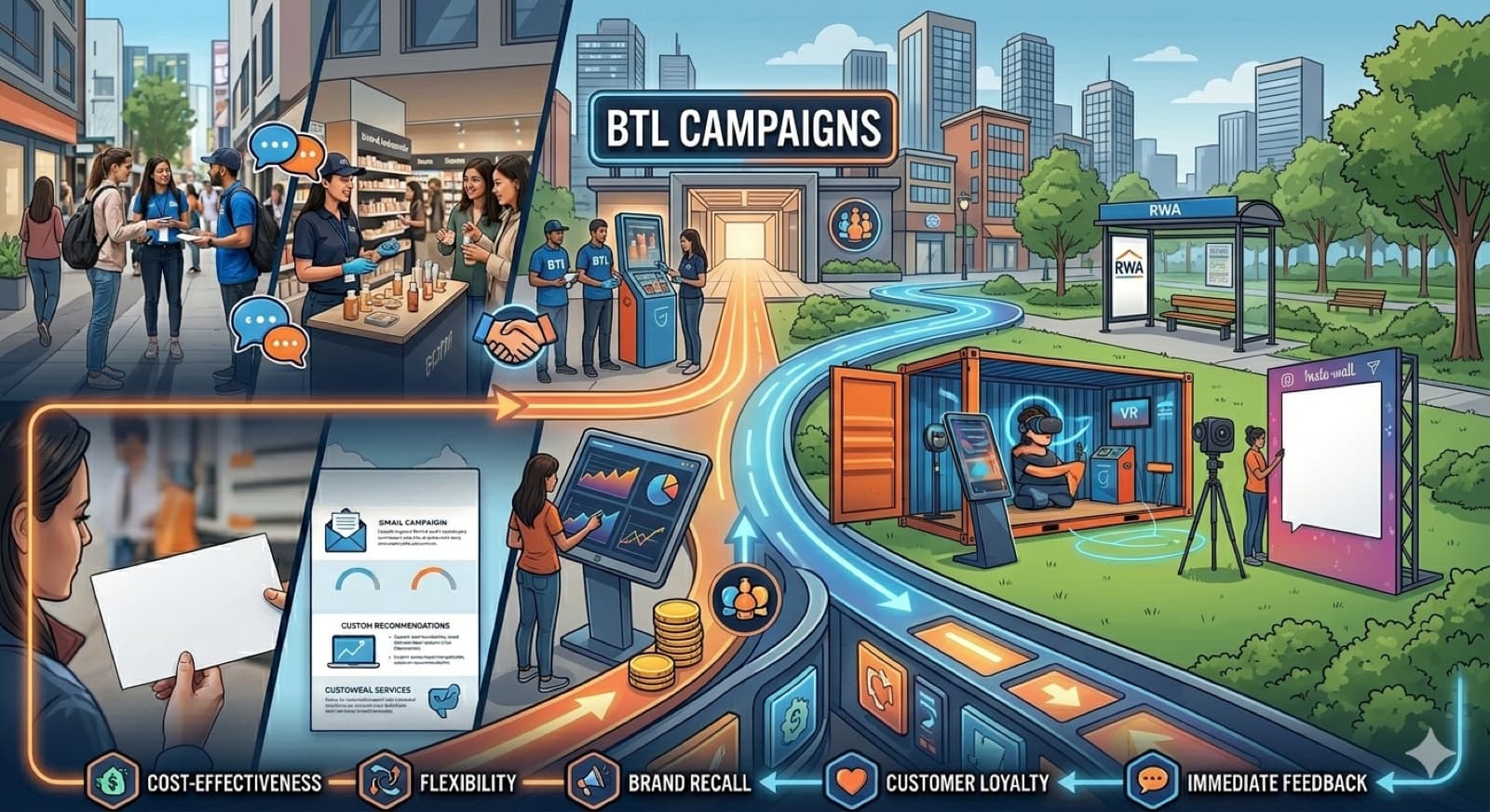
Agricultural marketing in Pakistan presents a unique challenge. The target audience of 8 million farming households is dispersed across rural areas where internet penetration remains below 30 percent, television advertising reaches only broad demographics, and purchase decisions are heavily influenced by dealer recommendations and peer farmer endorsements. In this environment, experiential marketing, specifically field-level activations, farmer education seminars, and dealer engagement programs, has emerged as the most effective channel for building brand awareness, driving product trial, and establishing the trust that converts first-time buyers into loyal customers.
Why Farmer Education Seminars Work
The agricultural input market in Pakistan, encompassing crop protection chemicals, fertilizers, seeds, and biologicals, is worth approximately USD 4 billion annually. Competition is intense, with multinational companies, local manufacturers, and generic importers all vying for farmer spend. In this crowded market, the brands that invest in farmer education consistently outperform those relying solely on dealer push strategies.
Farmer education seminars work because they address a genuine need. Pakistani farmers, particularly smallholders cultivating 5 to 25 acres, have limited access to agronomic advisory services. Extension services from the provincial agriculture departments are under-resourced, and private advisory is concentrated on large commercial farms. When a crop protection company organizes a seminar that teaches farmers how to identify pest infestations, calibrate sprayers, and time their applications for maximum efficacy, it delivers real value to the audience while creating a direct association between the brand and improved farming outcomes.
Effective farmer seminars share several characteristics:
- Localized content: The seminar addresses the specific crop, pest, and soil conditions relevant to the farmers in attendance. A cotton pest management seminar in Sindh covers different challenges than a wheat disease seminar in Punjab.
- Credible speakers: The most effective seminars feature local agricultural officers, university researchers, or experienced progressive farmers as speakers, not just company sales representatives. Third-party credibility is essential for an audience that is naturally skeptical of commercial messaging.
- Practical demonstrations: Live demonstrations of product application, comparison plots showing treated versus untreated crops, or equipment demonstrations engage farmers far more effectively than slide presentations.
- Manageable group sizes: Seminars with 30 to 60 farmers allow for interaction and questions. Larger events may generate impressive headcounts but typically deliver lower per-attendee engagement and weaker conversion rates.
Dealer Engagement and the ROI of Relationship Marketing
In Pakistan's agricultural input distribution chain, the local dealer is the most influential touchpoint. An estimated 70 percent of farmers purchase crop protection products based on their dealer's recommendation. This makes dealer engagement programs not just complementary to farmer marketing but foundational to it.
Effective dealer engagement programs operate on multiple levels:
- Product training: Regular training sessions that equip dealers with the technical knowledge to recommend products correctly. Dealers who understand the science behind a product recommend it with confidence, and their recommendations carry more weight with farmers.
- Loyalty and incentive programs: Structured programs that reward dealers for volume, display compliance, and promotional participation. These programs must be carefully designed to avoid channel conflict and to comply with industry codes of conduct.
- Co-marketing support: Providing dealers with branded point-of-sale materials, product display units, and localized promotional materials that reinforce the brand message at the point of purchase.
- Dealer appreciation events: Annual recognition events that acknowledge top-performing dealers build personal loyalty to the brand and its field team. In Pakistani agricultural marketing, personal relationships between field officers and dealers are often the strongest competitive moat a brand possesses.
The ROI of dealer engagement is measurable. Brands that implement structured dealer programs typically report 15 to 25 percent higher secondary sales (dealer to farmer) in enrolled territories compared with territories where only trade discounts are offered. The investment per dealer is modest, typically USD 200 to 500 annually in training, materials, and incentive value, but the compounding effect of improved recommendation rates makes it one of the highest-return marketing investments in the agricultural sector.
Field Activation Best Practices and GPS-Verified Reporting
Field activations, which include farmer meetings, demonstration plot visits, product trial distributions, and seasonal crop walks, are the execution backbone of agricultural experiential marketing. At scale, a single brand may conduct 5,000 to 15,000 field activations per crop season across Pakistan. Managing this volume while maintaining quality and accountability requires disciplined operational processes.
Best practices for field activation execution include:
- Pre-season planning: Develop an activation calendar aligned with the crop cycle. For example, cotton activations in Sindh should begin in April (pre-sowing) and intensify in July-August (peak pest pressure). Planning against the crop calendar ensures that activations deliver timely, relevant content.
- GPS-verified attendance: Require field teams to submit GPS-stamped photographs and geo-tagged attendance records for every activation. GPS verification eliminates ghost events and provides auditable proof of execution for brand managers and budget holders.
- Standardized reporting templates: Every activation should generate a report covering attendance count, farmer demographics, products discussed, samples distributed, farmer feedback, and follow-up commitments. Standardized templates enable aggregation and analysis across thousands of events.
- Post-activation follow-up: The highest-performing field teams conduct follow-up visits to farmers who attended activations, checking on product trial results and collecting testimonials. This follow-up converts seminar attendance into actual sales at rates 30 to 50 percent higher than activations without follow-up.
Digital Integration: Complementing On-Ground Efforts
While on-ground experiential marketing remains the primary channel for agricultural brand building in Pakistan, digital tools are increasingly being integrated to extend reach and improve measurement.
Practical digital integrations include:
- WhatsApp-based farmer communities: Field teams create WhatsApp groups with farmers from their territories, sharing agronomic tips, product information, and event invitations. With WhatsApp penetration exceeding 60 percent among Pakistani mobile users, this channel provides a low-cost way to maintain farmer engagement between in-person activations.
- Short-form video content: Farmer testimonials, demonstration plot results, and application technique videos filmed during activations and shared through social media and messaging platforms extend the reach of each event beyond the physical attendees.
- CRM and analytics platforms: Progressive agricultural marketing teams are adopting CRM systems that track individual farmer interactions across seminars, trials, and purchases, enabling targeted follow-up and lifetime value analysis.
The most effective agricultural marketing programs in Pakistan do not choose between digital and on-ground channels. They use digital tools to amplify and measure on-ground activations, creating a feedback loop where field data informs campaign optimization and digital reach extends the impact of every physical touchpoint.
For agricultural input companies operating in Pakistan, experiential marketing is not a discretionary line item. It is the primary mechanism through which brands are built, products are trialed, and dealer relationships are cemented. Companies that execute these programs with operational discipline, measure results rigorously, and integrate digital tools to extend their reach will continue to outperform competitors who rely on traditional above-the-line advertising or trade discounts alone. INTERACT's field marketing division has managed activation programs for leading crop protection brands across all four provinces of Pakistan, delivering GPS-verified execution and measurable sales uplift in every engagement.